
Thanks so much for backing the Magnet on Kickstarter! It was a long road, but with your support we were able to build a professional-level product for everyone.
Since shipping the Kickstarter Magnets, we’ve made a couple small changes to make the Magnet even better. Here’s a quick overview of the modifications, including instructions for outfitting your Kickstarter Magnet with the latest upgrades:
Highlights:

We no longer ship felt foot pads with the Magnet. The Magnet doesn’t apply pressure to the instrument body, so the pads don’t offer any meaningful protection — they just eat up available height for gripping the neck. For maximum grip, we recommend not installing the pads.

The grips on the Kickstarter Magnet don’t extend to the bottom of the Magnet, so you lose a little grip area. This can reduce grip on guitars with very little fretboard above the body. The grips on the currently shipping Magnet are extended, so that they are flush with the Magnet’s feet.

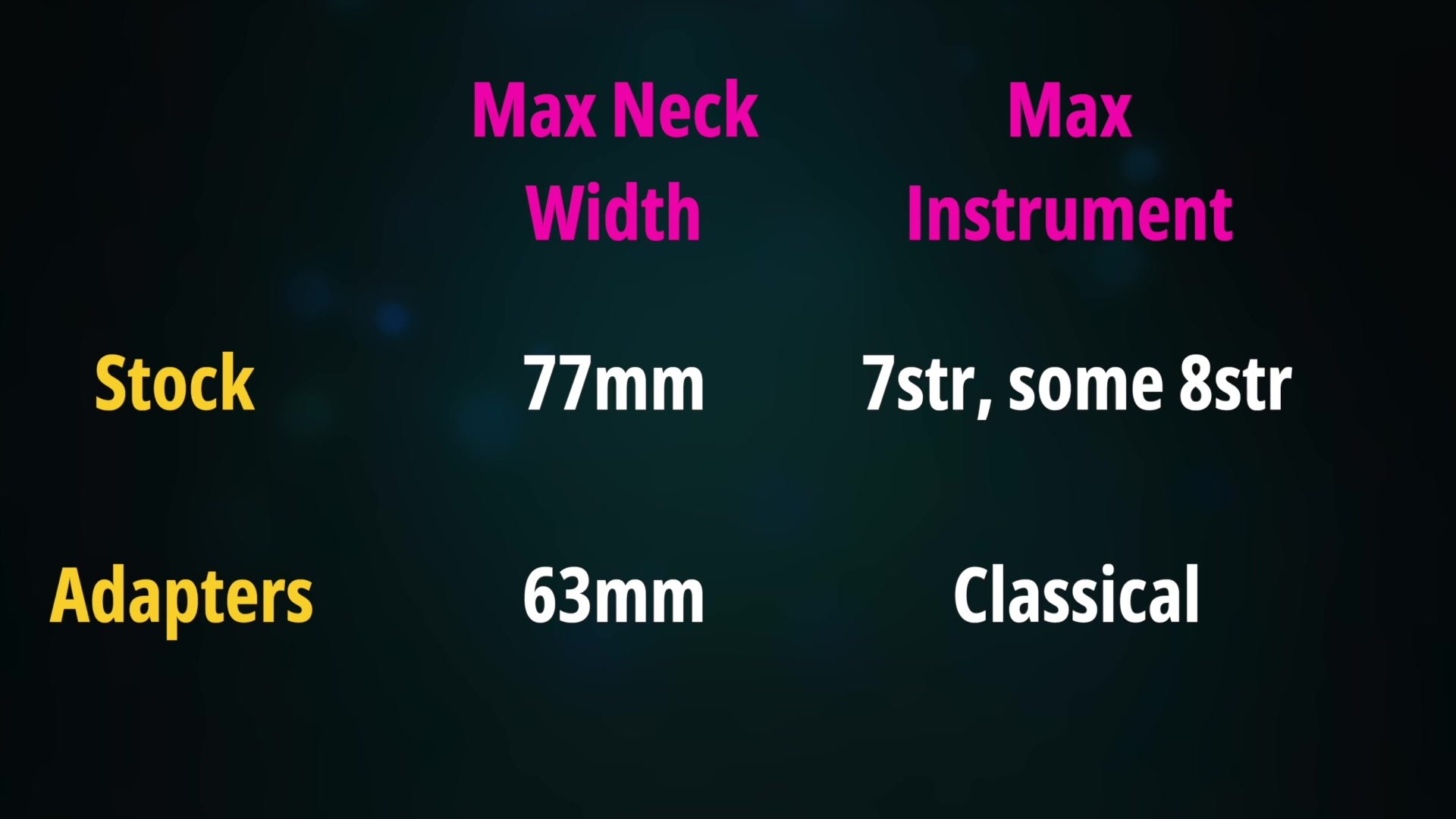
To address this, you can install the included adapters so that they are flush with the Magnet’s feet, which eliminates the gap. Note that the adapters reduce the maximum mountable neck width, so the Magnet may no longer fit seven-string guitars.

For compatibility with wider necks, you can install the updated grips from the latest Magnet. They extend to the Magnet’s feet without reducing the mountable width. If you don’t see these in the store, simply contact us at support@troygrady.com.
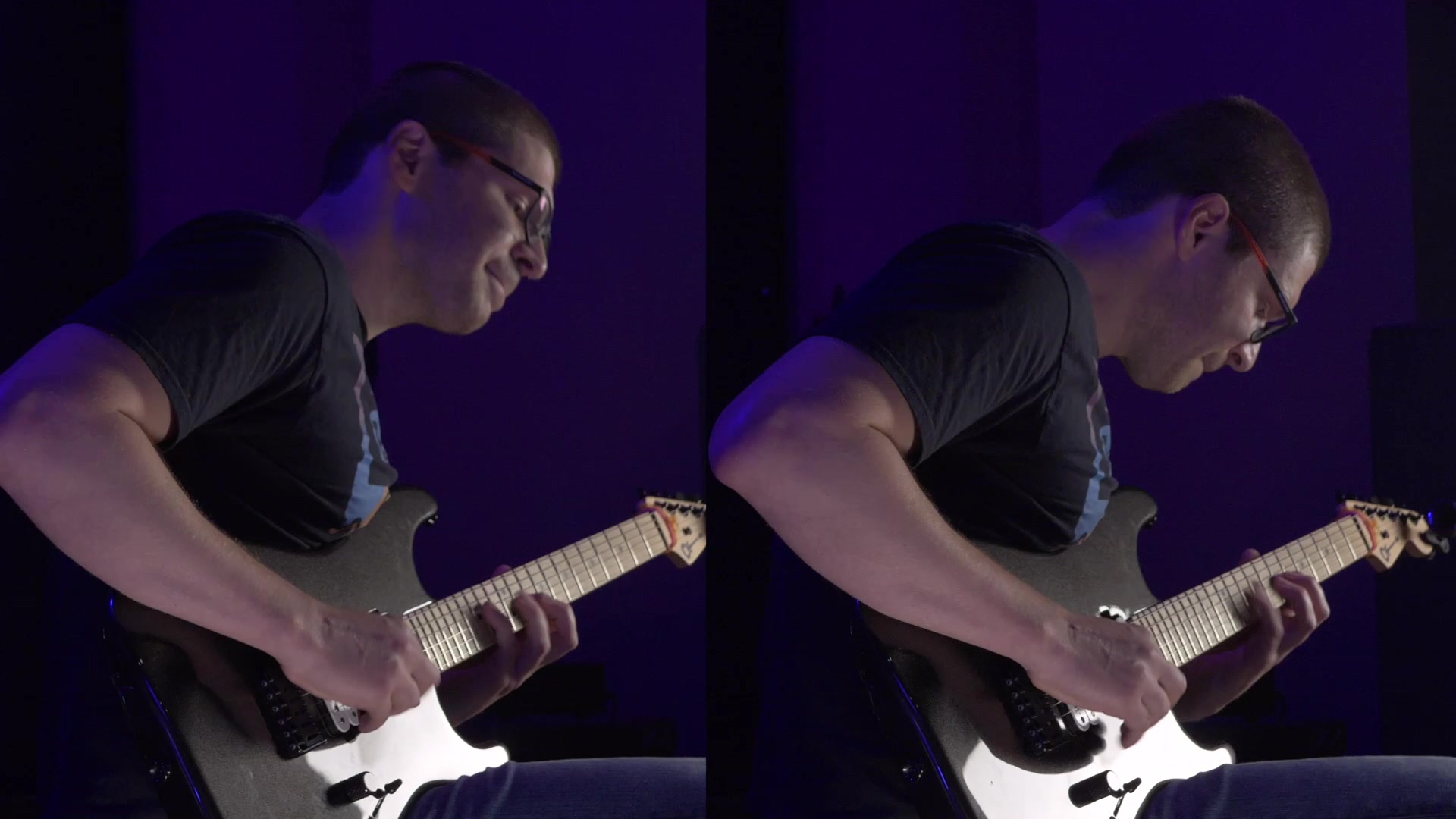

The Metronomic Rock series is an homage to a time when hair was big, string skips were bigger, and guitar heroes subdivided the beat with metronomic precision!
This first installment in the Metronomic Rock series explores one of the most popular picking styles of all time: DSX Motion. Used by everyone from picking pioneers to modern virtuosos, the DSX picking style is based on a type of “single escape” motion where downstrokes contain string-switching power, and musical phrases are designed to capitalize on this.
Legendary self-taught players like Paul Gilbert and Vinnie Moore learned to perform these technological feats subconsciously by streamlining their vocabulary to fit their mechanics. In MR|DSX, host Tommaso Tufarelli from the Cracking the Code team pulls back the curtains on this process with an array of powerful techniques and simple instructions for performing them. Along the way, you’ll learn to create stunning lines that maintain optimal efficiency and accuracy at any speed.
Topics in MR|DSX:
- An overview of DSX mechanics
- Downstroke- and upstroke-on-downbeat organization
- High-speed scale playing
- Optimizing shapes for rapid string switching
- Position-shifting strategies
- Two-string and string-skipping arpeggios
- Creating efficient pentatonic lines
- Legato and hybrid escape techniques
- Classic metronomic patterns and why they work
- Compositional tricks for generating novel phrases
The complete MR|DSX package includes:
- 39 lessons
- 157 musical examples with tablature
- Two complete songs demonstrating all techniques
- Tracks for each song, including isolated backing and lead parts
- Detailed tablature with all picking instructions notated
- Aquanet™, Spandex™, and band flyers/staple gun not included!
Prerequisite:
MR|DSX is a 200-level Cracking the Code seminar, requiring a basic operating proficiency in DSX picking motion. A good benchmark is the ability to perform a tremolo with a DSX escape path. Once you have that, MR|DSX is the lesson that takes that mechanical foundation and makes it musical.
Is MR|DSX right for you? Watch the introductory chapter below and find out!

How can you tell if your current technique — or the one you’re learning — is worth keeping?
For the most part, anything goes in picking technique, as long as you can perform the motions smoothly and effectively. And that’s the critical question. So the first thing we’ll do in this section is learn how to evaluate the efficiency of your picking motion, so you can make informed decisions about your progress.
We’ll also outline the minimum requirements of the deceptively tricky process of attempting to learn a specific technique, one used by a particular player or musical style. As part of this, we’ll take a look at the mechanical conventions that do and don’t exist in different musical genres, from metal to bluegrass to classical.

A motion mechanic is the joint or combination of joints you use to generate the picking motion itself.
Despite the seemingly endless variety of ways you can physically move a pick, the most common approaches actually fall into a few simple categories. In this section, we’ll take an in-depth look at how these important joints function. We’ll also provide some tips for learning to recognize them when you’re using them. This isn’t as simple as you might think!