Synchronicity

Master hand synchronization with Synchronicity, a groundbreaking seminar incorporating decades of Cracking the Code’s testing and teaching on this critical subject

Do you have trouble synchronizing your hands? Is your picking slower than your fretting? Is your fretting slower than your picking? At Cracking The Code we hear these complaints daily. And our response is the same each time: How do you know? Without a rigorous plan for testing and streamlining both hands, it’s impossible to know why your playing sounds uncoordinated, or how to fix it.

Enter Synchronicity. If you’ve never deliberately worked on synchronization the modern way, it will be eye-opening when you realize just how structured everything is. A synchronized player executing a stream of fast pickstrokes on a single fretted note is NOT just hammering away on a tremolo with no knowledge of where they are in time. Far from it.

Even free-time, accelerando, and rallentando playing is structured. These are just several cases where traditional metronome practice techniques are difficult to employ, and why you won’t actually need a click source for most of the challenges in Synchronicity. Simply put, sychronization is not about matching your motions to an external pulse. It’s about matching them to an internal pulse, tying the hands to each other. This permits locked motions even when the tempo is changing – something that human conductors and live musicians do all the time.

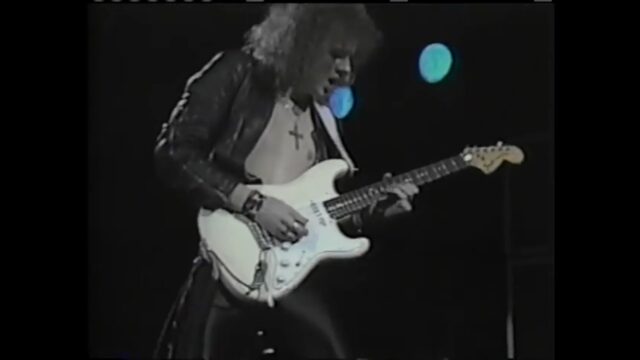
Players like Yngwie Malmsteen and Eric Johnson famously float over the beat while maintaining perfect hand sync through precisely regulated fretting and picking groupings. In Synchronicity we’ll show you exactly how this is achieved.

Synchronicity contains hours of structured study: 40 sequenced and super-watchable lessons; three realistic etudes in Latin, Jazz, and Rock styles; and 32 painstakingly curated rudiments for easy generation of novel practice ideas.

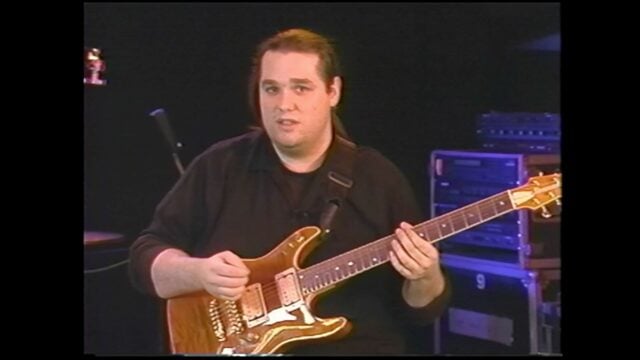
Is Synchronicity right for you? Watch the introductory section below and find out!

NOTE: Synchronicity is brand new! Many groups are already up: Introduction, Core Concepts, Chunking the Picking Hand, Testing Your Fretting, and Core Fretting Patterns – along with the three etudes and all the rudiments. This is already over 40 minutes of the sequence. The remaining sections will upload over the next several weeks as we edit and export. Stay tuned!

Introduction

Chapter 1 - Synchronicity Seminar Overview

What's covered and who it's for


Chapter 2 - Synchronicity Requirements

What skill level do you need for Synchronicity?


Songs

How To Use The Etudes

Exploiting stealth single-string construction


Latin Etude

The "other" shred guitar: nylon-string acoustic


Rock Etude

Fast sequences for modern hard rock and metal


Jazz Etude

Classic fast bebop vamp arranged for single-string speed


Tracks And Tablature


Core Concepts

Chapter 1 - Internal vs External Synchronization

Following your internal metronome


Chapter 2 - Constant Picking Speed

Create complex practice phrases with this simple concept


Chapter 3 - Chunking

The foundation of motor memory


Chunking The Picking Hand

Chapter 1 - Chunking Twos

The alternate picking atom


Chapter 2 - Downstroke Vs Upstroke Chunking

Tracking your playing with a landmark pickstroke


Chapter 3 - Tremolo Fours And Sixes

The most common chunks in fast phrasing


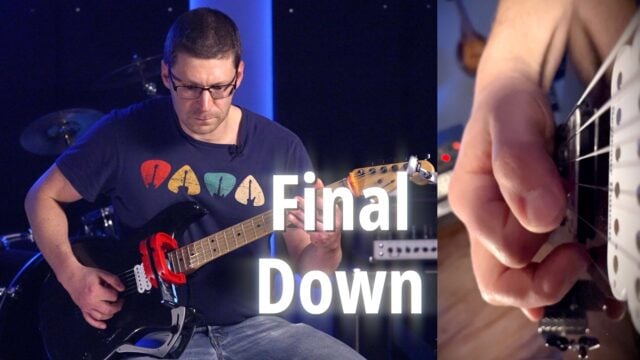
Chapter 4 - The Final Chunk

The easiest way to stick the landing


Chapter 5 - The 65-Note Challenge

Metachunking for long lines


Testing Your Fretting

Chapter 1 - Fretting Diagnostics

Tips for testing the fretting hand


Chapter 2 - Legato Basics

A crash course in pick-free playing


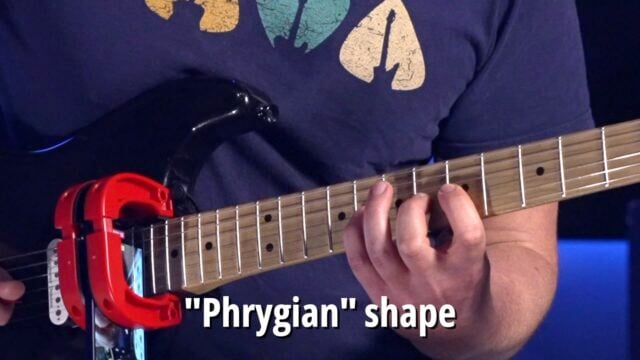
Chapter 3 - Three-Note Shapes

Naming the most important shapes in fretting


Chapter 4 - Three-Note Fingerings

Ranking your finger-to-fret combinations


Chapter 5 - The Hammer-Pull Test

A single pluck as a core testing tool


Chapter 6 - Chromatic Shapes

Four fingers is a core skill


Chapter 7 - Two-Note Shapes

Terrible twos and trills


Chapter 8 - Including Open Strings

Augmenting your reach with a mechanical freebie


Chapter 9 - Roll Pattern Speed

Use these elemental patterns as powerful diagnostics


Chapter 10 - Testing The Fretting Matrix

Score your skills with this comprehensive fretting inventory


Chapter 11 - Rushing

Isolating the most common fretting error


Chapter 12 - Larger Motions

Generating stronger feedback for faster learning


Fretting Test Clips


Core Fretting Patterns

Chapter 1 - Six-Note Patterns

Why six is a pillar of efficient chunking


Chapter 2 - The Power Of Permutations

Unlock killer variations with a simple mod


Chapter 3 - Four-Note Patterns

Speed Racer, Csardas, and more


Chapter 4 - Odd-Numbered Patterns

Secretly the most efficient fretting motions you can make


Chapter 5 - Chromatic Patterns

More fingers means more variety


Chapter 6 - Single-String Shifting

Keeping it together horizontally


Chapter 7 - Vertical Scales

Keeping it together across the strings


Rudiments

How To Use Rudiments

Make the most of these fundamental patterns


Rudiment Clips