0

Join our list and get 5 free video / tab downloads!

The Synchronicity Seminar is here!

Miles Dimitri Baker

By

Miles Dimitri Baker wields a pick with slashing precision and terrifying articulation, with a thoroughly modern metal tone that leaves nowhere to hide.

Currently holding down lead guitar duties for horror-metal kings Ice Nine Kills, Miles brings an elite level of control and musicality to the band’s cinematic blend of metalcore and macabre. With their theatrical visuals and pun-laced tributes to classic horror, INK has exploded in popularity since The Silver Scream 2: Welcome to Horrorwood—and Miles joined the band at just the right time.

A longtime student of the craft with previous projects like Interloper and Voidbringer under his belt, he blends calculated mechanical mastery with a flair for melodrama. His independent horror-themed Nightfall Clothing Co and his onstage persona show he’s fully embraced the spooky aesthetic, but underneath the mask is a technician of rare skill.

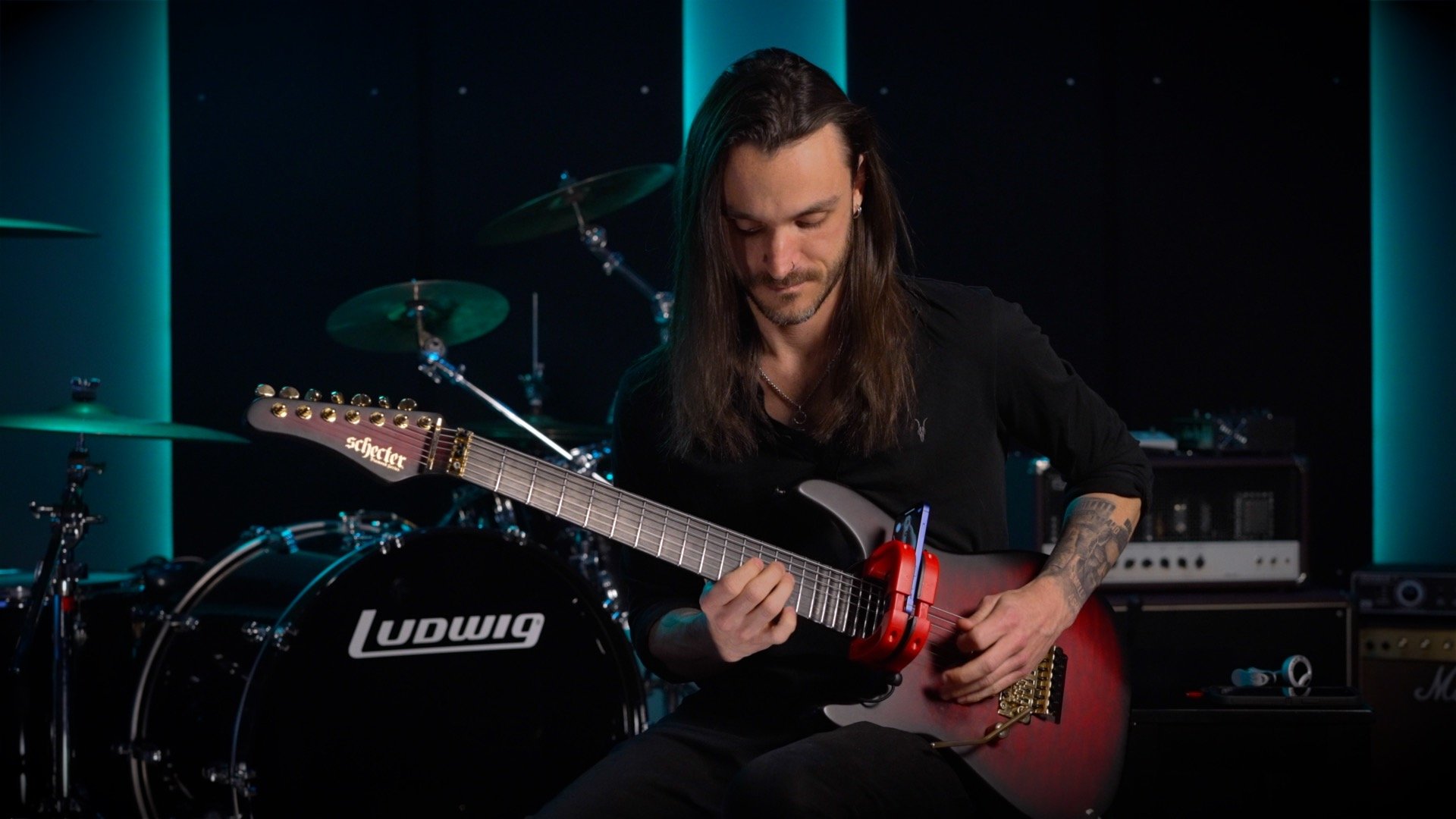
Miles is an expert USX picker who is notably aware of his escape mechanics. In the talk, we explore how he adapts his technique to complex string changes through two-way pickslanting and displacement. He outlines how he maintains surgical clarity even under high gain, including employing multiple fretting-hand muting strategies. An unusual detail: Miles plays lefty despite being a natural right-hander. This flipped positioning gives us some great camera angles, offering targeted views of fretting mechanics and POV-style overhead closeups of the picking hand.

The 76-minute interview features 56 musical examples with tablature, including a full playthrough of the Ice Nine Kills track “The American Nightmare.” It also includes a special 35-minute, six-lesson sequence from Cracking the Code with slow-motion analysis of Miles’ truly fascinating technique.
Roy Ziv

By

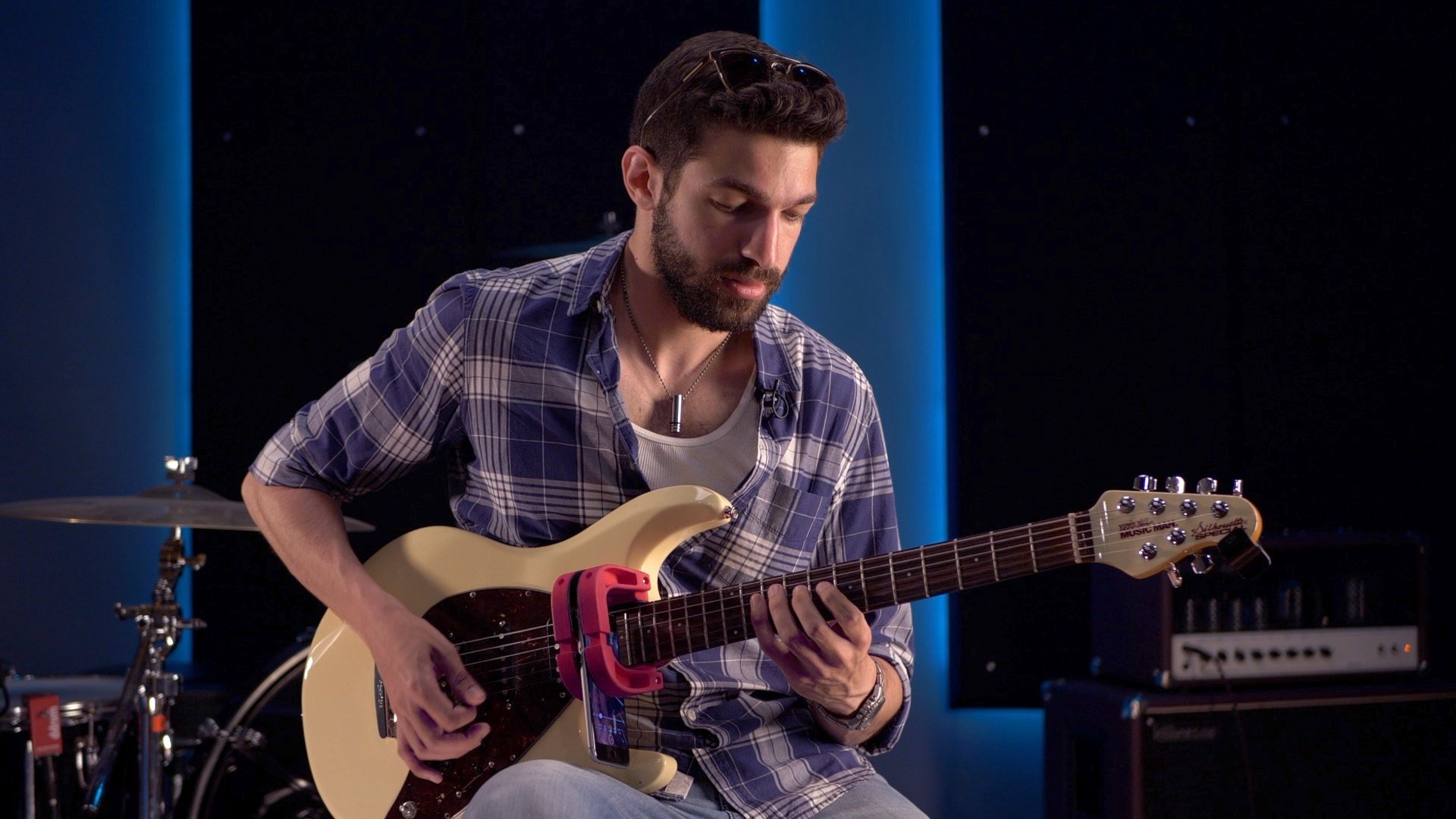
With his killer ear and fearless approach to improvisation, Roy Ziv makes the fretboard his playground

Roy is a social media juggernaut, earning follower counts knocking on the door of seven figures. But his viral appeal isn’t just about feed-scrolling junk food — it’s his deep sense of melody, effortless improvisational flow, and ability to make advanced concepts feel approachable that really impress.

His compositional instincts are immediately engaging. Whether crafting a solo over a pop hit or stretching out in his own compositions, he seems to constantly find hooky phrases that have you reaching for the rewind button.

In our conversation, Roy outlines his process for training spontaneity. Rather than drilling abstract exercises, Roy hones his skills by composing in real time, challenging himself to stumble across novel melodies and phrases in a kind of semi-controlled accident – and then etuding them to make them familiar. His philosophy embraces mistakes as learning opportunities, diving enthusiastically into unfamiliar territory until it becomes second nature.

The hour-long interview features 39 musical examples with tablature, including three extended improvisations showcasing Roy’s signature phrasing and fretboard mastery. The backing tracks are also included for your own creative woodshedding.

Rusty Cooley

By

Presenting a collection of classic meetings with a pioneer of virtuoso guitar

Rusty Cooley is not just a pioneer of technical guitar playing, but also of guitar technique investigation. He occupies a special place in Cracking the Code history as the first player to test each generation of our slow-motion technology: the original computer-controlled ShredCam, and the earliest version of our smartphone-powered Magnet. On display throughout is Rusty’s rare combination of attributes: incredible technique and unflappably chill demeanor in the face of technical roadblocks.

The 2005 meeting was a test flight of our first high-speed video rig for filming musical interviews, and Rusty was its Chuck Yeager. He gamely navigated an awkward assembly of mounting arms and FireWire cables to find playable fretboard space. The 2014 session alleviated some of these challenges, and added new ones with an early, non-adjustable prototype of the Magnet. The new design offered more limited fretboard access, but added vastly more recording time, allowing more natural capture of unplanned moments.

Also included is a special collection of clips filmed with a point-and-shoot camera, amazingly, in 2003. This wasn’t a formal interview, and high-speed filming was still just an idea. But the inability to discern Rusty’s movements in these brief videos helped crystallize the need for more capable tools.

With their experimental equipment and numerous software crash interruptions, these meetings were more like prototype field tests than traditional interviews. The edits include extensive behind-the-scenes gear setup and troubleshooting conversations as a document of the early days of musical mechanics fieldwork.

Painstakingly reimported, edited, and transcribed from the original twenty-year-old footage, the collection is over two hours of interview time and a massive 190 musical examples with tablature.

Aviva Wolff Interview

By

Dive into the fascinating funtion of one of the most fundamental joints in instrument technique: the wrist.

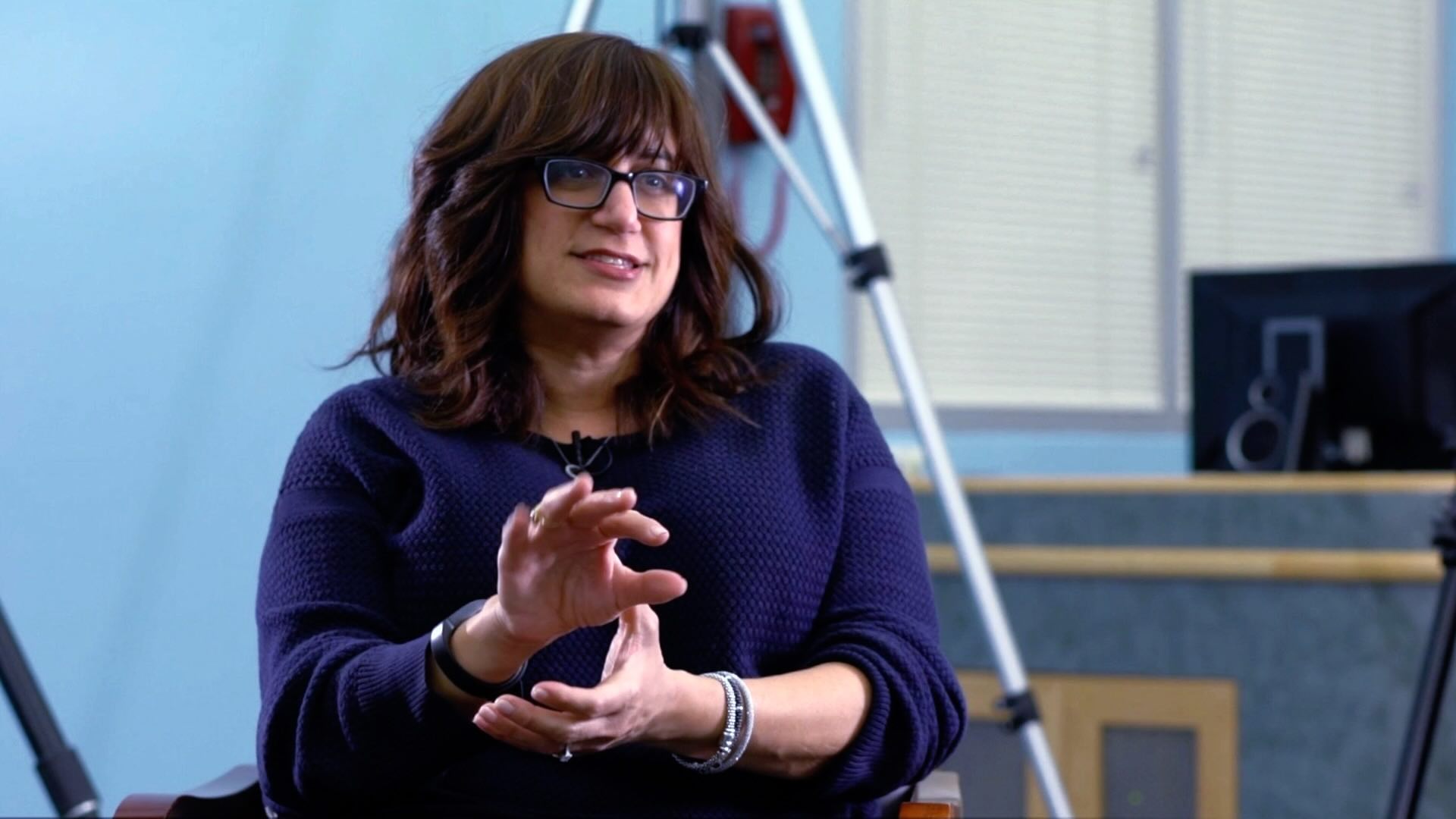
We sat down with Dr. Aviva Wolff at the Hospital for Special Surgery here in New York for a conversation about the inner workings of the wrist. Dr. Wolff is a member of the Leon Root Motion Analysis Laboratory, where they use high-speed motion capture to study motor function for research and rehabilitation. She’s also an occupational therapist with extensive experience treating elite musicians through a parternership with the famed Juilliard School.

In our coversation, we discuss the group’s research on everday human activities which use transverse or “in-between” axes of the wrist known as the dart thrower motions. Although traditionally less well described than the axes of deviation and flexion/extension which feature prominently in orthopedic study, it turns out that the dart axes may have a trick up their sleeve: strength, stability, and speed.

Tantalizingly, these wrist motions may offer greater performance to the musicians who use them, going at least part of the way to answering age-old questions about differences in ability from one player to another. In our conversation, Dr. Wolff explains the group’s fascinating work in research, in particular their applied focus on rehabiliation of musicians.